Top Business Books of 2025!
Five Must read books about entrepreneurship, PR, decision making, history of business and more.

Lifestyle focused and tip filled, these 5 books will help you pull ahead in the coming year.
When you’re building a business - especially in a year as unpredictable as 2025 has been - you don’t have time for mediocre books. You want the ones that sharpen your instincts, expand your thinking, and give you strategies you can use today, not someday. Below, I’ve rounded up the five best business books of 2025, the titles that founders, marketers, creatives, and curious entrepreneurs are already buzzing about. Whether you’re chasing growth, clarity, or simply a smarter way to navigate the year ahead, these reads will keep you two steps ahead of the crowd.
The top business books below were picked from best seller lists, reader reviews, and relevancy to small business and lifestyle oriented mindsets.
📘 Quick List: The Five Best Business Books of 2025
When the Going Was Good: An Editor's Adventures During the Last Golden Age of Magazines
Bag Man, The Story Behind the Improbable Rise of Coach
1929: Inside the Greatest Crash in Wall Street History--and How It Shattered a Nation
The Artist’s Side Hustle: Grow Your Creative Business in Just 5 Hours a Week
A CEO for All Seasons: Mastering the Cycles of Leadership
What You’ll Learn From This Guide
Which five business books stand out in 2025 — and why
Key themes shaping leadership, creativity, and entrepreneurship in 2025
How to navigate every season of business
Why these books matter specifically for founders and lifestyle brands
When the Going Was Good: An Editor's Adventures During the Last Golden Age of Magazines
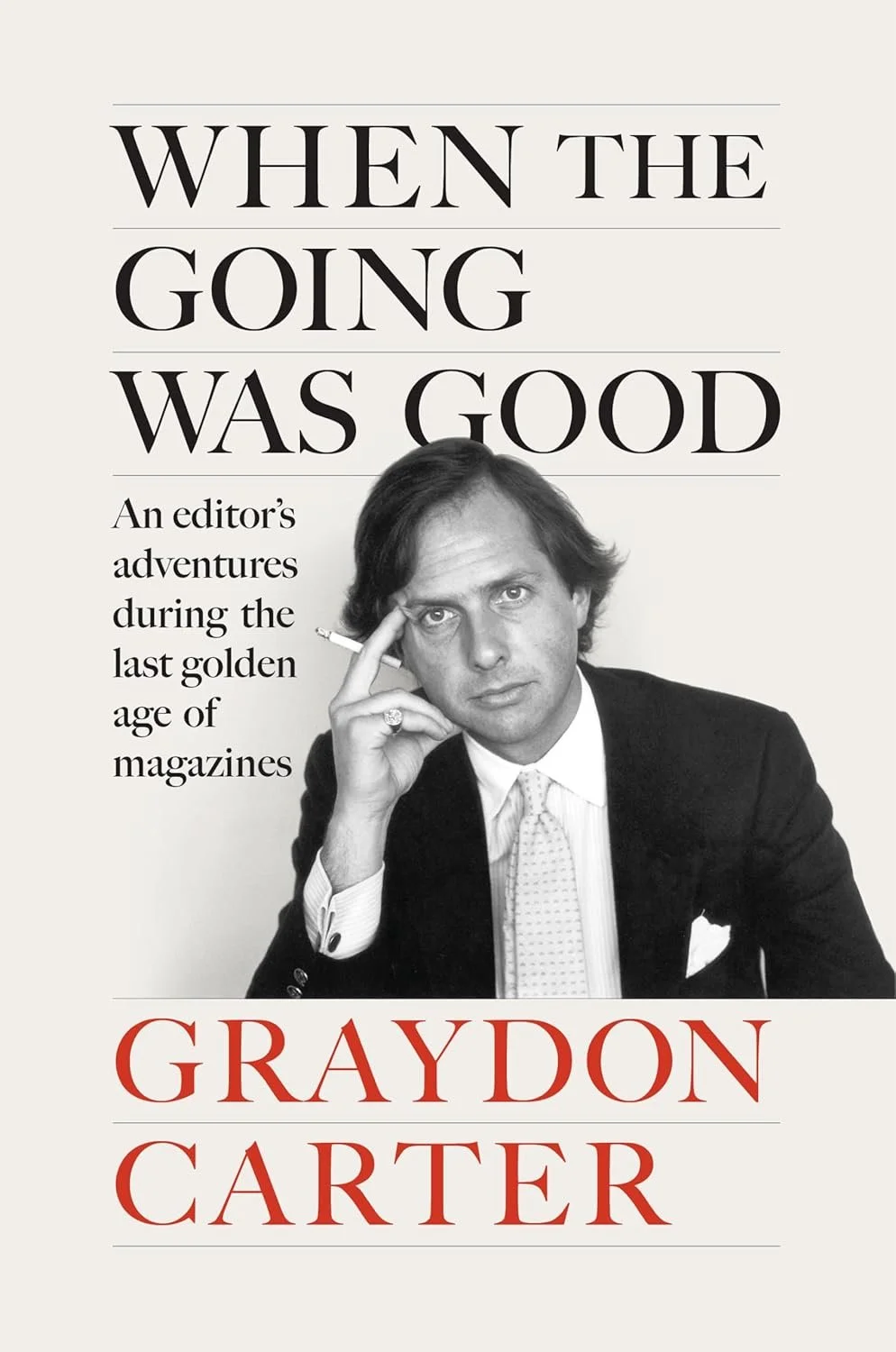
Best Business Books of 2025: When the Going Was Good
When Graydon Carter was offered the editorship of Vanity Fair in 1992, he knew he faced an uphill battle—how to make the esteemed and long-established magazine his own. Not only was he confronted with a staff that he perceived to be loyal to the previous regime, but he arrived only a few years after launching Spy magazine, which gloried in skewering the celebrated and powerful—the very people Vanity Fair venerated. With curiosity, fearlessness, and a love of recent history and glamour that would come to define his storied career in magazines, Carter succeeded in endearing himself to his editors, contributors, and readers, as well as those who would grace the pages of Vanity Fair. He went on to run the magazine with overwhelming success for the next two and a half decades.
Filled with colorful memories and intimate details, When the Going Was Good is Graydon Carter’s lively recounting of how he made his mark as one of the most talented editors in the business. Moving to New York from Canada, he worked at Time, Life, The New York Observer, and Spy, before catching the eye of Condé Nast chairman Si Newhouse, who pulled him in to run Vanity Fair. In Newhouse he found an unwavering champion, a loyal proprietor who gave Carter the editorial and financial freedom to thrive. Annie Leibovitz’s photographs would come to define the look of the magazine, as would the “New Establishment” and annual Hollywood issues. Carter further planted a flag in Los Angeles with the legendary Vanity Fair Oscar party.
With his inimitable voice and signature quip, he brings readers to lunches and dinners with the great and good of America, Britain, and Europe. He assembled one of the most formidable stables of writers and photographers under one roof, and here he re-creates in real time the steps he took to ensure Vanity Fair cemented its place as the epicenter of art, culture, business, and politics, even as digital media took hold. Charming, candid, and brimming with stories, When the Going Was Good perfectly captures the last golden age of print magazines from the inside out.
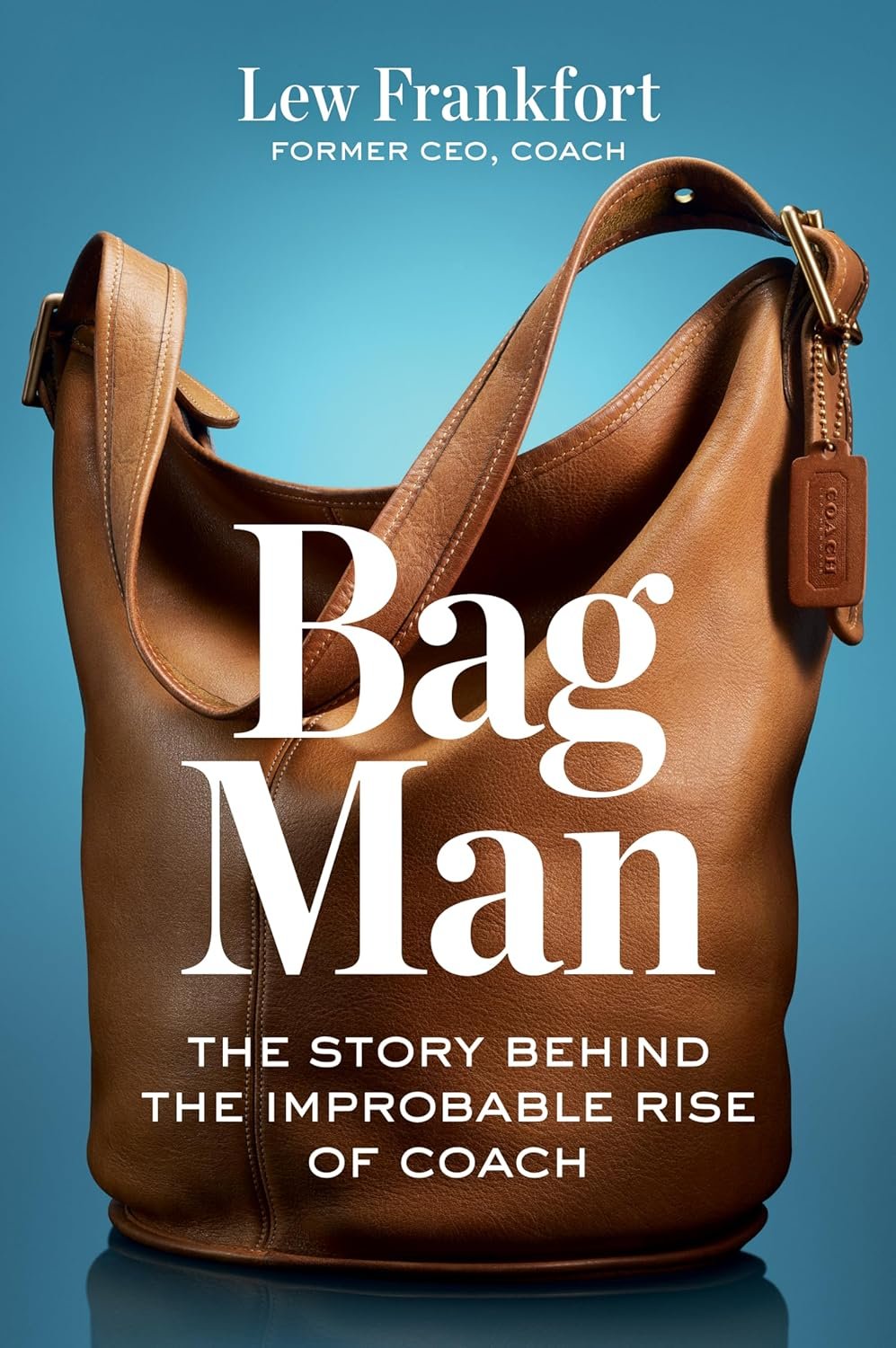
Best Business Books of 2025: Bag Man, The Story Behind the Improbable Rise of Coach
Lew Frankfort knew nothing about fashion when he became assistant to the founder of Coach. By the time he left, Frankfort had spent 29 years as CEO, growing Coach from a scrappy maker of leather bags with a small cult following to a beloved lifestyle brand. Along the way, Coach created a new market segment—accessible luxury—that redefined an industry. In Bag Man, Frankfort explains how the son of a Bronx policeman, after working in city government, built a business that challenged conventions, grew it 1000%, and became recognized as one of the world's best CEOs.
Bag Man offers lessons from both achievements and missteps as Coach reinvented itself over decades. Throughout, Frankfort considers a more personal aspect of leadership—how the double-edged sword of fear and drive can lead to success but also take a toll. He shares his struggles with a haunting fear of failure, including how it drove an obsession with consumer insights that made Coach unique in the industry.
Summing up Coach's philosophy in three words: "magic plus logic", Bag Man shows how blending creativity and data-driven discipline can produce sustainable, profitable growth, helping to:
Design and market products people love
Build a roster of talent and a performance-driven culture
Drive strategies that pair a brand's unique value with the right market opportunities
Scale the business to achieve next-level organic growth
Operate as a respected public company
A riveting, candid business memoir, Bag Man traces an extraordinary leadership journey that built a legacy brand.

Best Business Books of 2025: 1929: Inside the Greatest Crash in Wall Street History--and How It Shattered a Nation
In 1929, the world watched in shock as the unstoppable Wall Street bull market went into a freefall, wiping out fortunes and igniting a depression that would reshape a generation. But behind the flashing ticker tapes and panicked traders, another drama unfolded—one of visionaries and fraudsters, titans and dreamers, euphoria and ruin.
With unparalleled access to historical records and newly uncovered documents, New York Times bestselling author Andrew Ross Sorkin takes readers inside the chaos of the crash, behind the scenes of a raging battle between Wall Street and Washington and the larger-than-life characters whose ambition and naïveté in an endless boom led to disaster. The dizzying highs and brutal lows of this era eerily mirror today’s world—where markets soar, political tensions mount, and the fight over financial influence plays out once again.
This is not just a story about money. 1929 is a tale of power, psychology, and the seductive illusion that this time is different. It’s about disregarded alarm bells, financiers who fell from grace, and skeptics who saw the crash coming—only to be dismissed until it was too late.
Hailed as a landmark book, Too Big to Fail reimagined how financial crises are told. Now, with 1929, Sorkin delivers an immersive, electrifying account of the most pivotal market collapse of all time—with lessons that remain as urgent as ever. More than just a history, 1929 is a crucial blueprint for understanding the cycles of speculation, the forces that drive financial upheaval, and the warning signs we ignore at our peril.
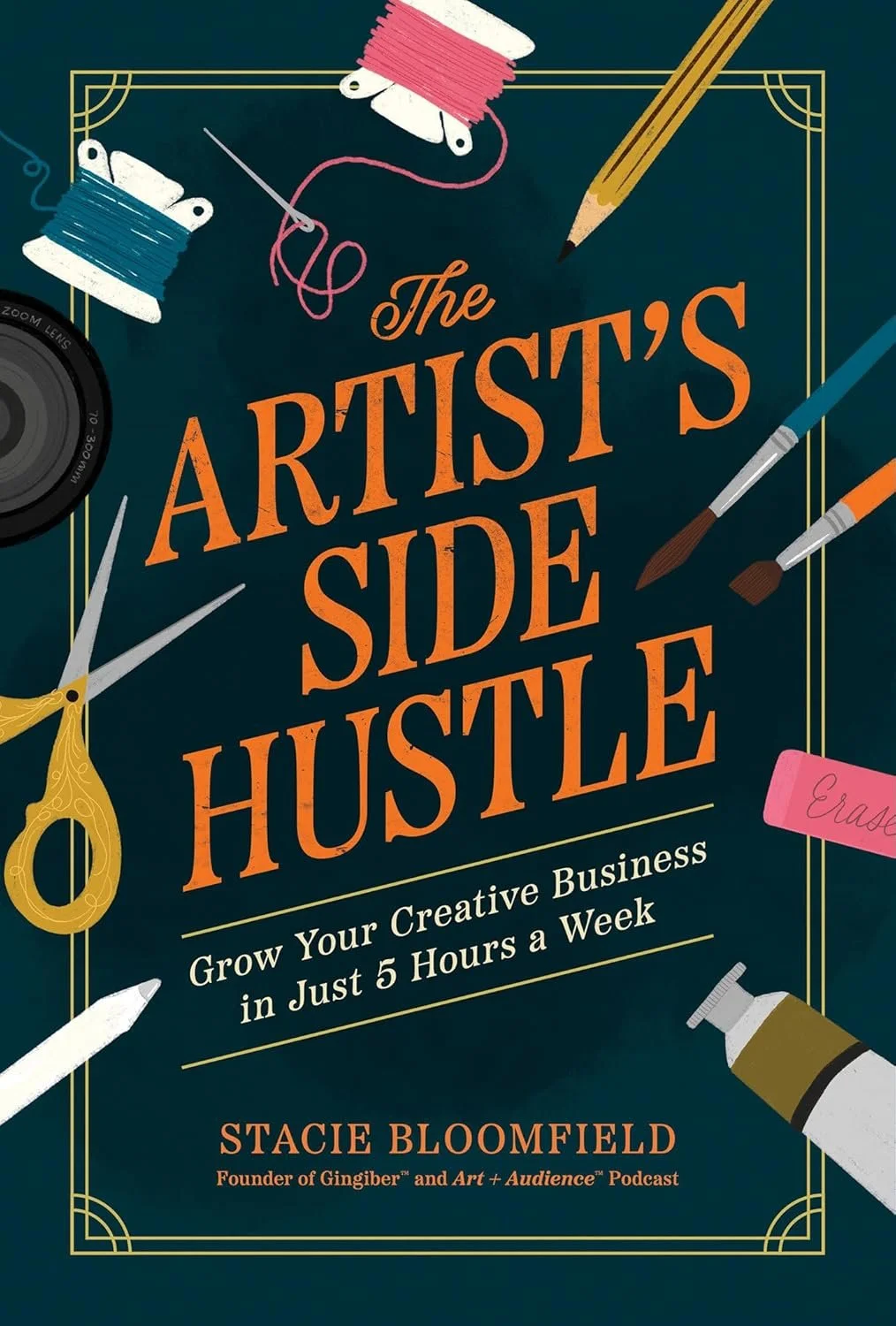
Best Business Books of 2025: The Artist’s Side Hustle: Grow Your Creative Business in Just 5 Hours a Week
Turn your creative passion into sustainable income with just five hours a week in this road map from the founder of side-hustle-turned-multimillion-dollar-business Gingiber.
Are you dreaming of a career as an artist but unsure how to monetize it? Or have you already started your side hustle but are struggling to make it sustainable, both in your bandwidth and as income?
Stacie Bloomfield asked herself the same questions. Now, she's using her experience of starting stationery company Gingiber to give you just the advice you need to start a successful side hustle doing what you love. After graduating college, she found a job as a coffee shop manager. But she soon found herself yearning to reconnect with her artistic voice. And what started as an artistic side hustle turned into a thriving multimillion-dollar business.
Whether you want to maintain a side hustle or grow your business into something larger, you will need the same solid foundation. With Stacie as your guide, you’ll learn:
13 ways to monetize art and the secret to business growth in the art world
The 4 essential components of an art portfolio
A road map for generating consistent side income as an artist
How to use 5 hours a week to create your art business
This is your chance to rediscover your unique voice, generate income from your art, and gain the confidence you need to showcase your creativity to the world.
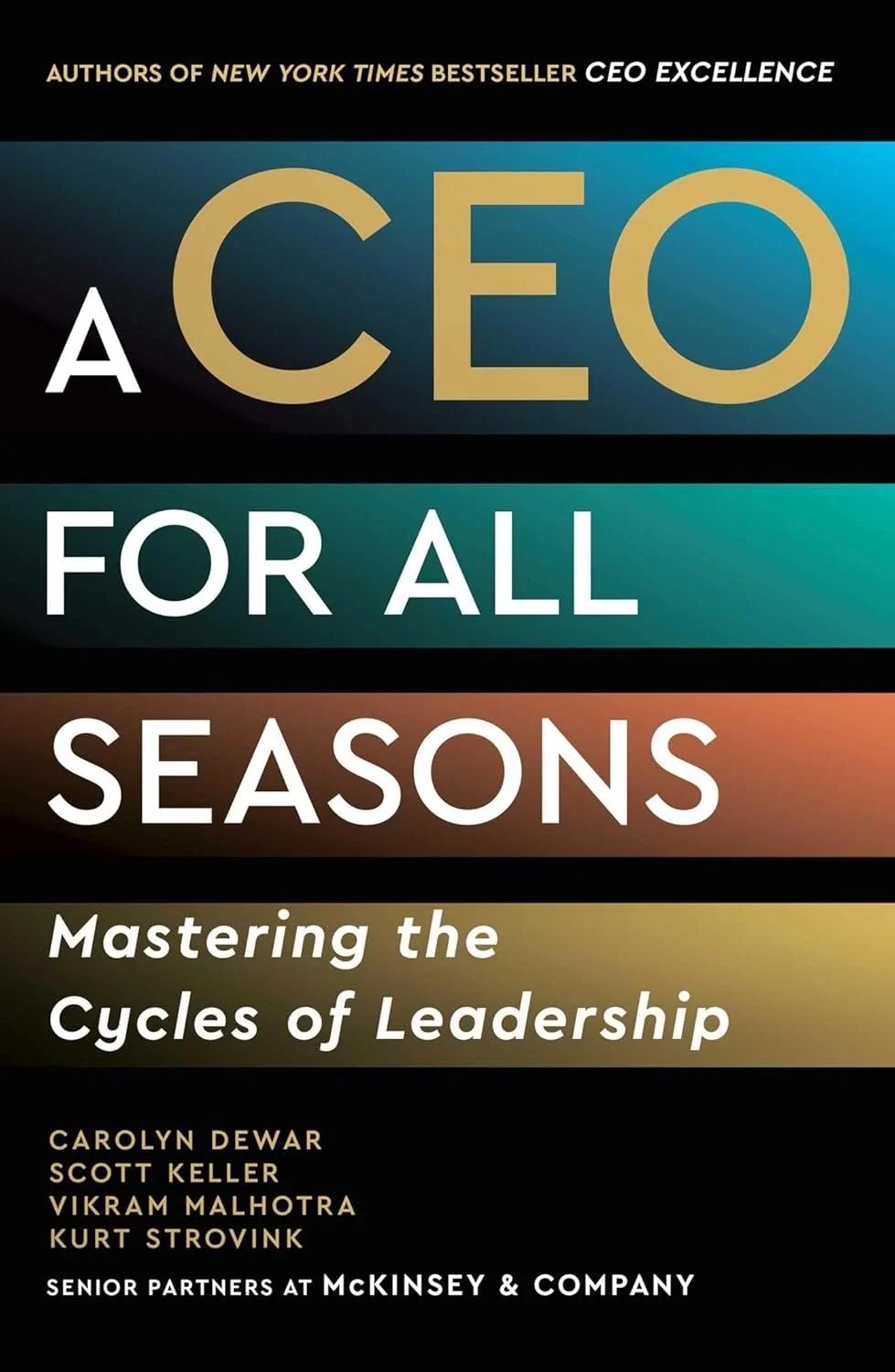
Best Business Books of 2025: A CEO for All Seasons: Mastering the Cycles of Leadership
In the high-stakes world of corporate leadership, becoming a Fortune 500 CEO is an Everest-like ascent—with only the savviest managing to avoid falling off the mountain. In A CEO for All Seasons, you’ll find an essential climbing route that will take you through every stage. Featured in this tip-dense guide is wisdom from some of the world’s most iconic leaders, including Dell Technologies’ Michael Dell, Merck’s Ken Frazier, Nasdaq’s Adena Friedman, Morgan Stanley’s James Gorman, Blackstone’s Steve Schwarzman, ASML’s Peter Wennink, and Chevron’s Mike Wirth.
Unique in applying a number of sophisticated metrics to isolate the world’s top 200 CEOs, reduce them to a representative sample, and then reap their wisdom, the McKinsey team, in A CEO for All Seasons, spotlights the specific stage-based hurdles that CEOs face. From preparing for the role to starting strong to sustaining momentum to ensuring a lasting legacy, the book leaves no segment of the journey unmapped. Along the way, it offers proven strategies for maintaining forward progress and, crucially, alerts readers to common blind spots that can sabotage success, as revealed by a detailed survey of thousands of executives.
Whether you’re an aspiring leader or a new-to-the-job CEO—or even a board member wanting to better steward your company’s performance—this is the compact, hands-on guide you’ve needed. Its compendium of pressure-tested tips is a must-have game changer for leaders at all levels.