Are Brand Collaborations Worth It for Small Lifestyle Brands?
Brand collaborations are everywhere. Should yours splash into the collab pool too?
Beauty brands team up with beverage companies. Fashion labels partner with video games. Candle brands work with artists. Influencers launch limited-edition collections with retailers. Every week seems to bring another unexpected partnership designed to generate headlines, social media buzz, and the all-important feeling that everyone else is already in line.
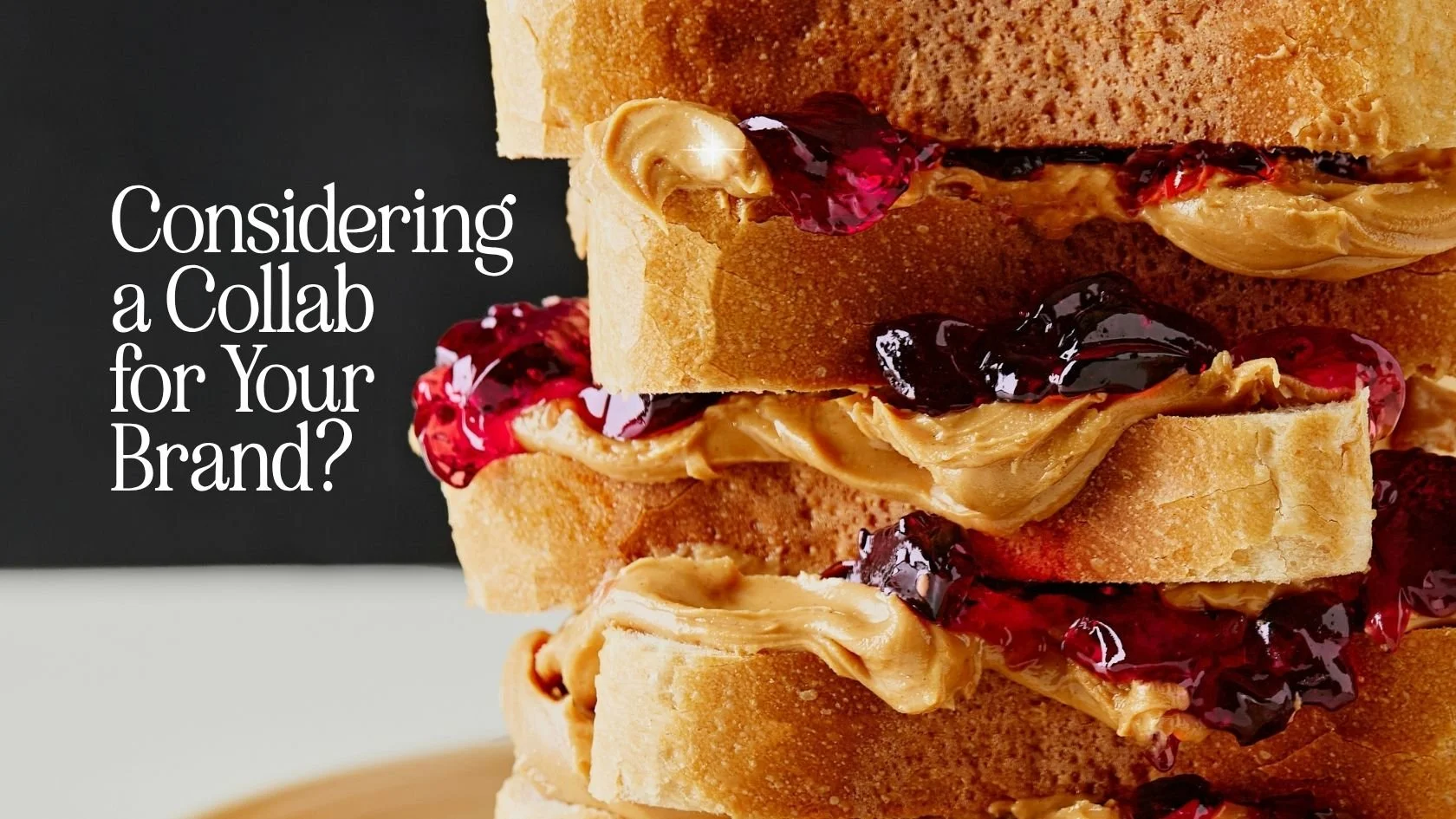
Salty and Sweet: Opposites can team up with spectacular results! (photo by Olivie Strauss).
TL;DNR
Brand collaborations are worth it for small lifestyle brands when the partnership has a shared customer, a clear reason to exist, mutual promotion, and a measurable goal. The best collaborations do not have to be complicated. A simple bundle, event, content swap, gift guide, or seasonal campaign can help a small brand reach the right people without taking on unnecessary cost or operational stress.
For large brands, collaborations can be spectacle. They can create cultural moments, sell out in minutes, and dominate the conversation for a few days.
But for small lifestyle brands, the question is more practical:
Are collaborations actually a growth engine, or are they a time-consuming cash trap dressed up as marketing?
The answer is: it depends.
A good collaboration can introduce you and your brand to the right customers, strengthen your story, increase sales, open retail doors, and make your marketing budget feel bigger than it is.
A weak collaboration can drain your time, confuse your audience, create operational headaches, and leave you wondering why you spent six weeks approving a label for a product that sold twelve units.
As with most marketing, the idea is not the problem. The execution is.
The Best Collaborations Are Not New
Brand collaborations may feel like a very modern marketing trend, but the concept has been around for generations.
One of the classic examples is the Pillsbury Bake-Off, launched in 1949 with General Electric. Pillsbury supplied the baking mixes and recipes. General Electric supplied its modern electric range. Together, they created a national event that showed consumers how two complementary products could work beautifully together in real life.
That is the heart of a strong collaboration » Two brands. One shared customer. A clear reason to exist.
Over the years, plenty of memorable partnerships followed. Bonne Bell and Dr Pepper created flavored Lip Smackers. Ford and Eddie Bauer teamed up on vehicles. McDonald’s and Coca-Cola became one of the most recognizable food-and-beverage pairings in the world. Nike and Apple brought fitness and technology together.
These collaborations worked because they were practical, natural, and easy for consumers to understand. We didn’t need a flow chart to get the connection, and that’s always a good sign.
How Collaborations Have Changed
So many times collabs just feel random, like two marketing execs found themselves at the same cocktail party and after a couple shots decided to team up for a campaign.
A luxury brand collaborates with a fast-food chain. A beauty brand partners with a canned water company. A fashion label creates products for a gaming platform. Sometimes the point is not that the partnership makes obvious sense. The point is that people stop scrolling long enough to ask, “Wait, what?” This strategy works beautifully for brands with ginormous audiences, big budgets, and built-in cultural momentum.
But small brands looking to maximize their marketing budgets need to be more selective.
For an independent candle company, skincare brand, children’s clothing line, jewelry designer, or home decor business, a collaboration has to do more than look clever on Instagram → it has to earn its keep.
Should Small Brands Bother With Collaborations?
A strong collaboration can help a small brand:
Reach a new but relevant audience
Share marketing costs
Create a stronger story
Give retailers something fresh to promote
Generate social content
Build email subscribers
Create a press-worthy angle
Strengthen customer loyalty
Don’t assume that a great collaboration has to involve custom manufacturing, complicated contracts, or months of planning.
For small brands, the best collaborations are often simple → built around shared customers, rituals, values, and occasions:
A skincare brand and a candle brand might create a “Sunday Reset” bundle, a co-branded self-care guide, or an event at a local boutique.
A children’s clothing brand and a family photographer could create a back-to-school portrait event.
A soap brand and a linen company could create a guest bath refresh campaign.
A jewelry designer and a florist could host an in-store trunk show.
None of these are based on a global launch strategy. All they require is a good idea, a clear audience, and two partners willing to do the work.
And sometimes a very small event can create an astonishingly large story. The 1976 Judgment of Paris started as a modest promotional wine tasting and became one of the most consequential PR events of the last 50 years.
The Collaboration Filter
Before you approach another brand, use this filter.
1. Do You Share Customers?
This is not the same as sharing demographics. Demographics tell you who might buy your product. Customers tell you why someone actually cares.
Two brands may both target women between 30 and 55 with disposable income, but that does not automatically make them good partners. One customer may buy skincare because she is managing rosacea. Another may buy candles because she wants her house to smell better after the dog claims the sofa as his kingdom. Those purchases may have nothing to do with each other.
A strong collaboration starts with behavioral overlap.
For example, a skincare brand and a candle company may share a customer who values sensory self-care, quiet rituals, natural ingredients, and turning her home into a personal sanctuary. That is much more useful than saying both brands target “women 25 to 45.”
When you think in terms of shared customers, the collaboration becomes easier to shape.
A soothing overnight cream pairs naturally with a calming evening candle.
A body lotion can pair with a linen robe.
A handmade soap can pair with a guest towel.
The products belong in the same customer ritual, so marketing them together makes sense.
2. Is There a Real Story?
A collaboration for a small brand needs a reason to exist. Customers, editors, influencers, retailers, and newsletter subscribers all need to understand why these two brands are showing up together.
Good collaboration stories might include:
summer self-care ritual
garden party edit
weekend cabin escape
holiday hosting box
new mom recovery kit
farmers’ market morning routine
back-to-school reset
cozy winter night-in bundle
The story behind these pairings shouldn’t be complicated. The clearer the story, the easier it is to promote. A great rule of thumb for gauging the probable success of your collab is that if you need more than 1 paragraph to explain why a partnership makes sense, it probably doesn’t.
3. Can Both Partners Promote It?
This is where a lot of small brand collaborations fall apart. One brand does all the work while the other brand “collaborates” by posting once to Instagram Stories and then disappearing into the marketing witness protection program.
A true collaboration requires both partners to contribute to the marketing, this includes:
Email marketing
Social media posts
Photography
PR outreach
Retail introductions
Event hosting
Giveaway support
Blog content
Newsletter features
Before you launch anything, decide who’s responsible for these elements → don’t assume your new collab partner shares the same energy and enthusiasm you do. Make a plan and put it in writing (cocktail napkin marketing plans count :-))
4. What Is the Goal?
Many collaborations feel exciting in the planning stage but you may loose sight of what you’re trying to achieve once they launch. Before investing time, decide what success actually means.
Are you trying to drive sales?
Grow your email list?
Get press coverage?
Build social engagement?
Create content?
Reach retailers?
Bring people to an event?
Introduce your brand to a new local audience?
Keep in mind that a collaboration designed to maximize sales will look much differently than one designed for visibility:
To grow email subscribers, elements of your promotion might include a downloadable guide, giveaway, or quiz.
A collab designed for retail attention might involve a beautifully photographed seasonal gift set.
While a shared promotion designed for community building might be a workshop, pop-up, or live conversation.
Unless you define a goal in advance you probably won’t be able to tell whether your collaboration worked afterwards.
5. Could You Launch It Within Two Weeks?
Small brands have limited time, money, staff, and mental bandwidth. A good collaboration should create energy, not swallow the business whole. If a proposed partnership requires months of meetings, complicated product development, high inventory commitments, new packaging, legal review, and four rounds of “just circling back,” it may not be worth it.
As a rule, small brands should start with collaborations that can be launched quickly and cleanly.
Remember, a simple bundle, co-hosted event, content swap, gift guide, or downloadable resource often does more for a small brand than an elaborate custom product.
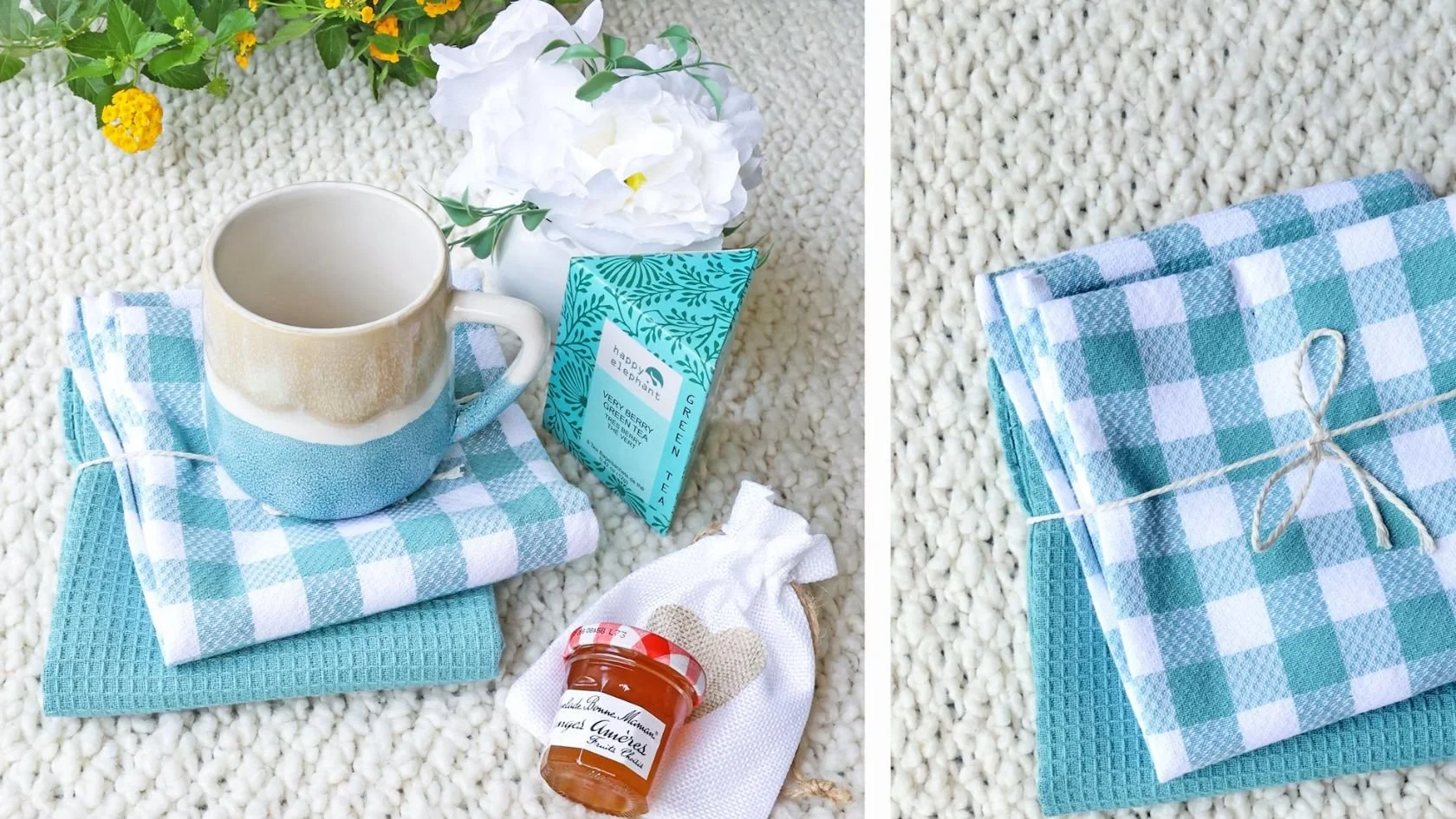
Bundle Up! A brand collab can be as simple as pairing complimentary products into one gift set for a mutual retailer.
Small Brand Collaboration Ideas That Actually Make Sense
The best collaboration ideas are usually close to the customer’s real life. Here are some ideas:
Create a Simple Bundle:
candle company and a tea company create a “quiet night in” bundle.
soap company and a linen brand create a guest bath refresh set.
skincare brand and a spa create a post-treatment care kit.
children’s apparel brand and an independent bookstore create a storytime bundle.
jewelry designer and a fragrance brand create a Valentine’s Day gift pairing.
The key is to make the bundle feel useful, giftable, and easy to understand.
Build a Seasonal Gift Set
Seasonal collaborations are especially strong because they come with a built-in reason to buy and make consumers feel like they’re making a smart purchase. Retailers welcome seasonal collaborations because they give the store something fresh to talk about without requiring a major assortment change.
Here are some seasonal events coming up:
Summer travel
Back-to-school
Halloween
holiday hosting
New Year resets
Host an Event Together
Events are one of the most overlooked collaboration strategies for small brands. Here are some ideas:
Retail pop-ups
Trunk shows
Workshops
Instagram Live conversations
Founder Q&As
Mini photo sessions
Wellness mornings
Styling sessions
Holiday shopping nights
Community gatherings
Events work especially well when both brands have local customers, complementary audiences, or strong founder personalities. They also create content before, during, and after the event. That gives you more mileage from the collaboration.
Swap Content Instead of Products
One of the easiest ways to collaborate is to exchange expertise. This works especially well for brands with newsletters, blogs, Substack publications, YouTube channels, or active social platforms. For many small brands, content swaps are lower risk than product collaborations because they require less inventory, less production, and less financial commitment.
They also position both partners as experts rather than just sellers.
For example, a skincare founder could collaborate with a wellness expert on an “inside-out” self-care guide. The skincare founder contributes a section on topical care and skin barrier support. The wellness expert contributes a section on sleep, stress, breathwork, or nutrition. Both partners promote the guide to their audiences. Both grow their email lists. Both gain authority.
Other content-based collaboration ideas include:
Newsletter takeovers
Co-authored guides
Instagram Reel series
Podcast interviews
Live masterclasses
Downloadable checklists
Shared gift guides
Mini video lessons
Think Community Before Virality
For small brands, the goal of a collaboration shouldn’t be simply to go viral. While massive views are fun, they’re also unpredictable and can backfire massively.
A better goal is meaningful introduction.
A strong collaboration should introduce your brand to people who are likely to become customers, subscribers, retail partners, referral sources, or long-term fans.
500 highly qualified new people are more valuable than 50,000 comments you’ll need to spend time responding to, from people who will never give you a penny in revenue.
The best collaborations make your business feel more connected. They deepen trust. They give your existing customers something new to enjoy. They create a bridge between your brand and another audience that already shares your values. That’s real growth.
When a Collaboration Is Probably Not Worth It
As I mentioned above, not every collab is a great fit and probably not worth pursuing if:
The audience overlap is weak
The partner is not willing to promote
The idea is expensive to execute
The story is confusing
The goal is vague
The timeline is too long
The margins are too thin
The partnership mostly benefits the other brand
The creative direction feels off-brand
The project distracts from your core business
A good collaboration should feel aligned, manageable, and mutually useful. If it feels like unpaid labor with a logo slapped on it, walk away.
The Real Lesson
For all the changes in marketing over the last seventy years, the core idea behind collaborations has stayed surprisingly consistent.
The best partnerships are not random or built on hype. They work because two brands share a customer, solve a problem, tell a better story together, and introduce each other to the right people.
That was true when Pillsbury and General Electric teamed up around home baking back in the 1940’s and it’s still true for a candle brand, skincare company, jewelry designer, baby brand, boutique, or home decor business today.
Don’t worry about breaking the internet :-) Build the right bridge.
FAQ: Brand Collaborations for Small Lifestyle Brands
Are brand collaborations worth it for small businesses?
Brand collaborations can be worth it for small businesses when the partnership introduces the brand to the right audience, supports a clear marketing goal, and does not require more time, money, or inventory than the business can reasonably manage. The best collaborations are simple, aligned, and easy for customers to understand.
What makes a good brand collaboration?
A good brand collaboration has shared customers, a clear story, mutual promotion, and a defined goal. The partnership should make sense immediately. If customers need a long explanation to understand why the two brands are working together, the collaboration may be too confusing.
What kinds of brands should small lifestyle brands collaborate with?
Small lifestyle brands should collaborate with brands that serve a similar customer in a complementary way. For example, a candle brand might collaborate with a tea company, a skincare brand might partner with a spa, a children’s clothing brand might work with a family photographer, or a jewelry designer might team up with a florist.
Do brand collaborations have to include a product?
No. A collaboration does not have to involve a new product. Small brands can collaborate through events, gift guides, downloadable guides, newsletter swaps, Instagram Lives, workshops, pop-ups, giveaways, or seasonal content campaigns.
What is the biggest mistake small brands make with collaborations?
The biggest mistake is saying yes to a collaboration without defining the goal. A collaboration should have a clear purpose, whether that is sales, email list growth, press coverage, retail attention, social content, or community building. Without a goal, it is hard to know whether the partnership was successful.
How can a small brand measure whether a collaboration worked?
A small brand can measure a collaboration by tracking sales, website traffic, email signups, social engagement, press mentions, event attendance, new wholesale inquiries, or referral traffic from the partner brand. The right measurement depends on the goal of the collaboration.
What is an easy first collaboration for a small brand?
An easy first collaboration is a simple content swap, gift guide, giveaway, or seasonal bundle with a brand that shares a similar customer. These ideas are lower-risk than creating a custom product and can often be launched quickly.