Traditional autumn marketing has reached peak pumpkin.
Here’s how lifestyle brands can replace the predictable orange-and-sunflower playbook with a moodier, more tactile approach for Fall 2026.
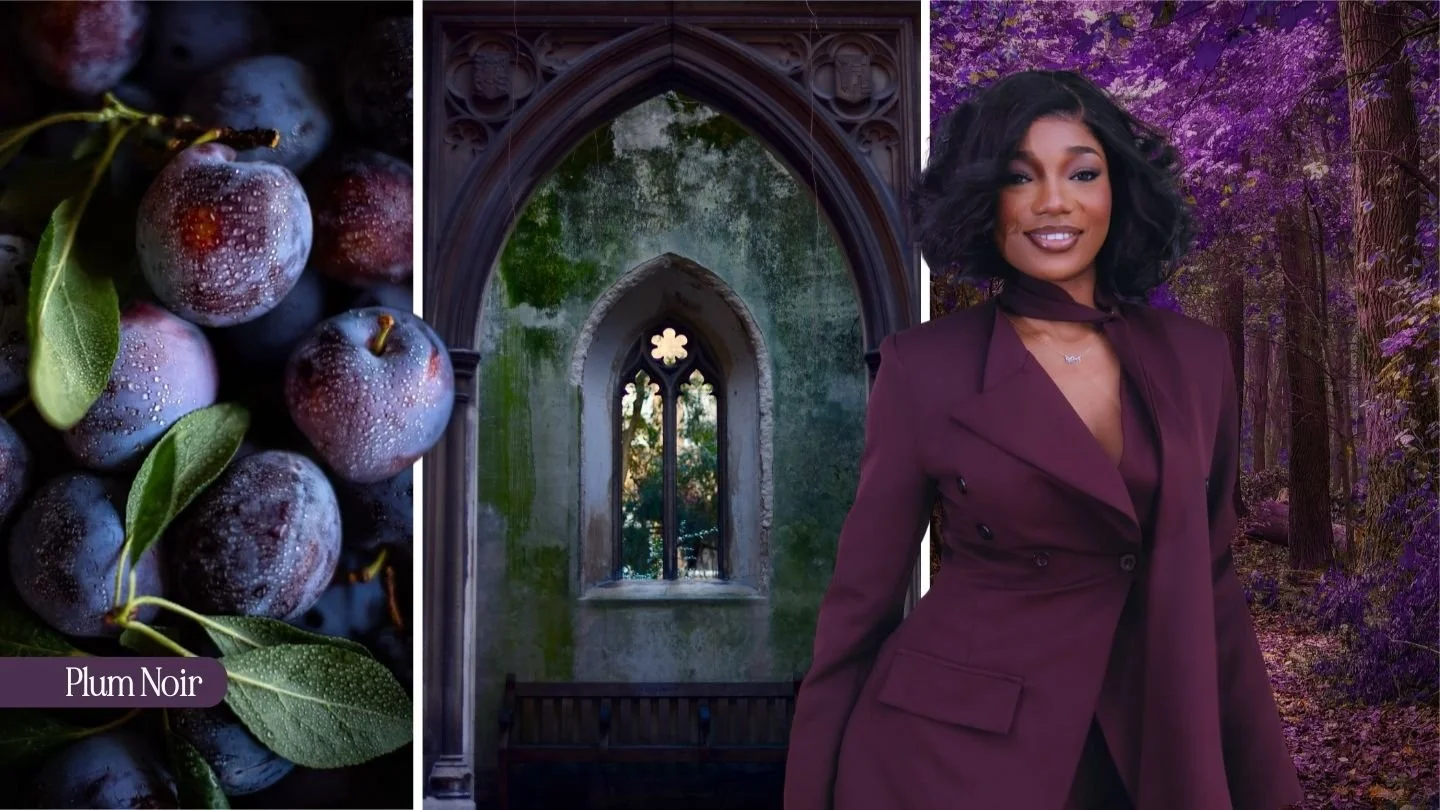
For Fall 2026, autumn marketing is moving away from predictable pumpkin-spice imagery and toward a darker, slower and more tactile visual language.
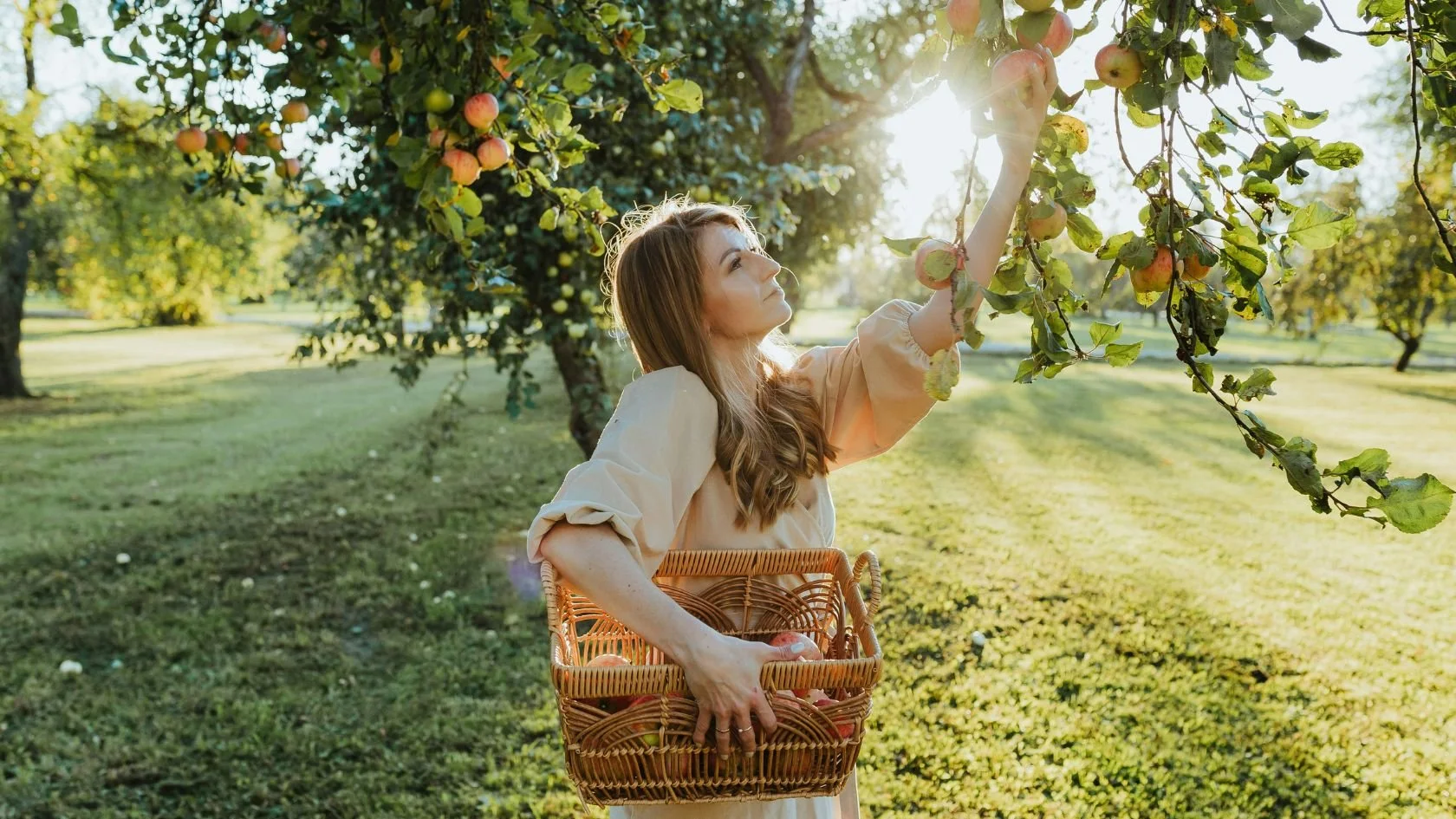
As I write this, I’m harkening back to golden afternoons spent wandering through the orchards of my local apple farm back in New England, wearing a chunky sweater and dutifully posing for the camera with a basket of freshly harvested produce.
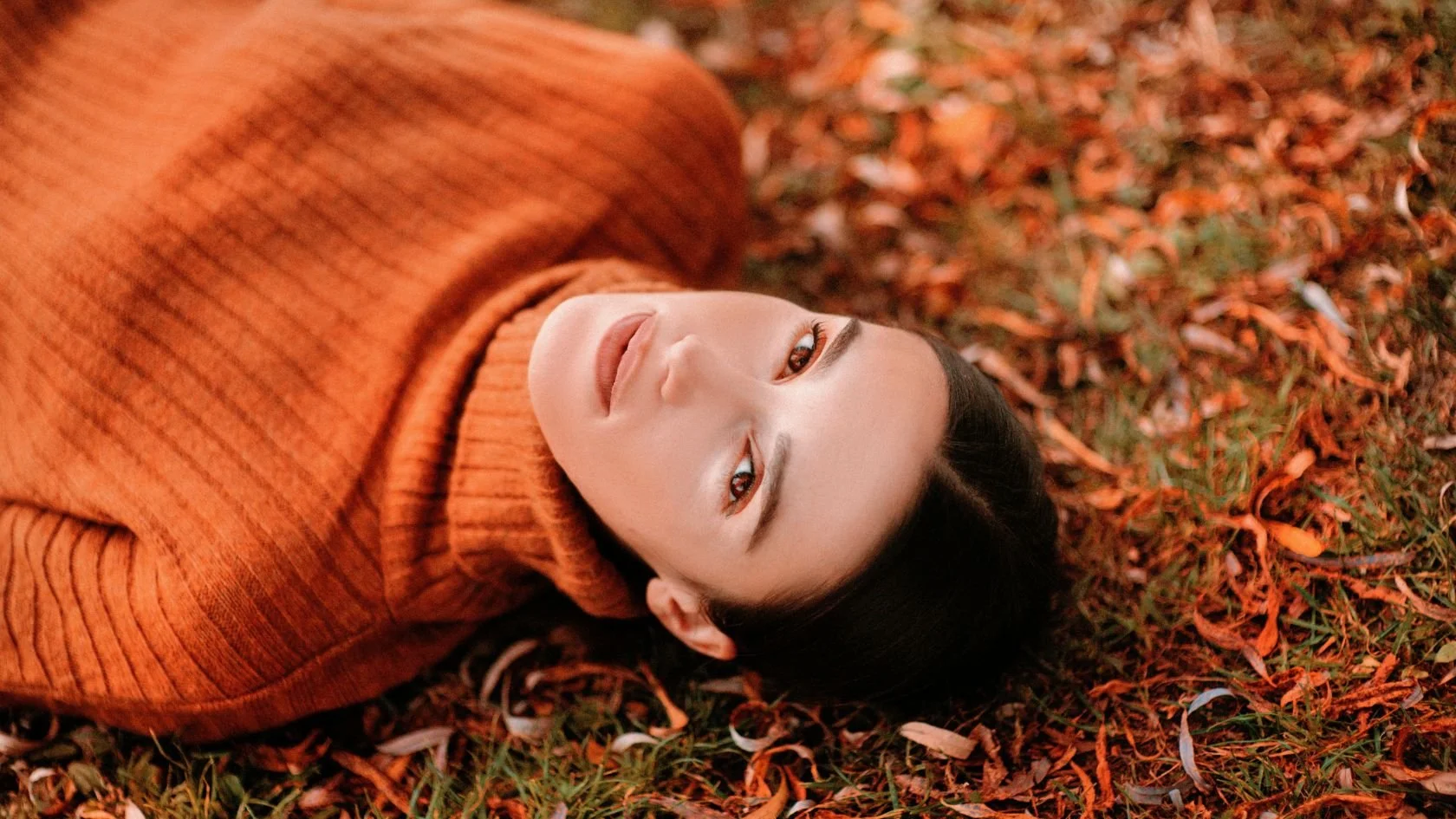
It was a lovely and dependable autumn ritual. But looking back at the photographs now (below), it’s really hard to tell one year from another.
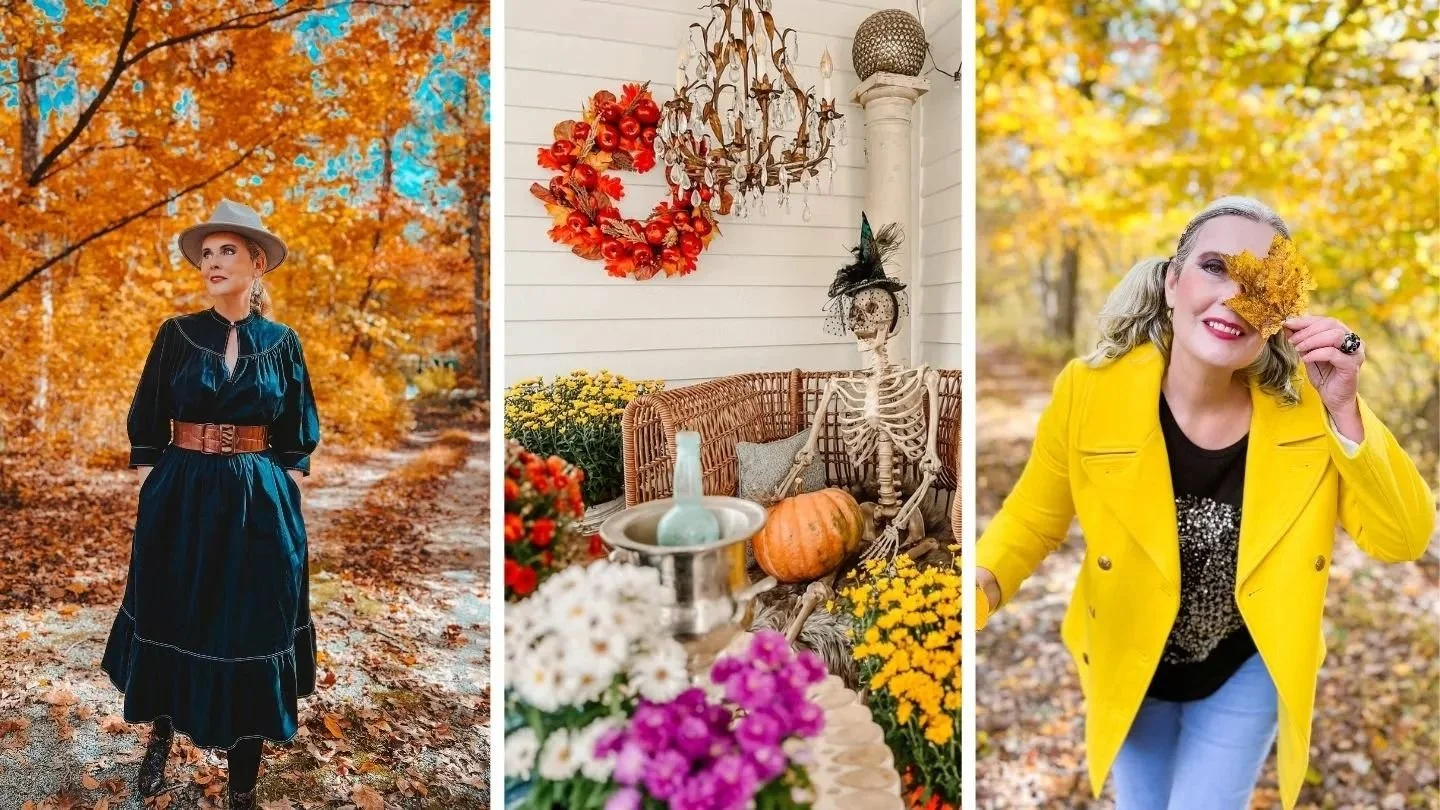
Shades of Autumn from over the years …
Perhaps that’s why traditional autumn marketing is beginning to feel, well, a little canned.
For decades, lifestyle brands and independent boutiques have replicated their September marketing year over year: bright orange pumpkins, accented with overflowing baskets of yellow sunflowers and cheerful mums and handfuls of artfully scattered leaves.
There is nothing wrong with any of it - I’ll say it again - it’s just seems canned.
Pumpkin spice has gone from seasonal novelty to corporate shorthand. “Sweater weather” captions arrive before anyone has put away the patio furniture. So many brands seem to photograph their collection beside the same stack of pumpkins.
I think we’ve reached peak pumpkin → at least for awhile.
At the same time, the growing popularity of Halfway to Halloween, dark academia, historical romance and atmospheric storytelling is casting a long shadow over the old tried-and-true autumn playbook.
Consumers are being drawn toward a moodier, more cinematic interpretation of the season. Call it Dark Academic Mysticism, Gothic Poetcore or simply autumn with the lights turned down.
The aesthetic is intellectual, shadow-heavy and deeply tactile. Think heritage plaids, heavy cable knits, handwritten letters, worn leather, old books, dark wood, plum-colored cosmetics and rooms that look as though someone was just sitting there reading a mysterious novel.
This is not merely Halloween arriving two months early. It is a broader longing for atmosphere, substance and escape. For boutique founders and small marketing teams, that longing presents a real opportunity.
You don’t need a luxury fashion-house budget to capture the mood. You just need to understand the emotional craving behind it. This autumn, consumers are buying more than products - they’re investing in an emotional shield against artificial noise.
Why Traditional Autumn Marketing Is Losing Its Impact
Much of today’s brand content is designed to be bright, fast and instantly understood. Products are photographed under aggressive ring lights. Videos move at frantic speed. Captions are reduced to a few emojis and an obvious seasonal slogan. Automated emails push the next promotion before the customer has finished reading the last one. That approach may make content easy to produce, but it also makes one brand look remarkably similar to another.
The Gothic Poetcore aesthetic moves in the opposite direction with its slower, darker, more atmospheric vibe. It leaves room for curiosity and creates a world people want to enter.
This is particularly useful for smaller lifestyle brands. Large companies can compete through enormous media budgets and constant exposure while smaller brands are better positioned to compete through specificity, personality and emotional detail.
What to Stop Doing Before Fall 2026
Before publishing another pumpkin fueled autumn campaign, take an honest look at your content calendar. If it could have been created by almost any brand in 2022, it may be time to reconsider it.
Stop using ultra-bright, shadowless lighting
Overexposed product photography can flatten texture, erase atmosphere and make even a beautiful product look as though it was photographed in a brightly lit pharmacy.
For autumn, allow some darkness into the frame. Shadows can suggest warmth, intimacy and depth.
Stop treating bright orange as mandatory
There will always be a place for pumpkins, just not in every photograph. Move away from neon orange, primary yellow and predictable harvest combinations. Consider deeper rust, oxblood, teal, aubergine, chocolate, charcoal and black cherry.
Stop relying on frantic video editing
Rapid cuts, headache inducing hyper-caffeinated, GRWM videos and generic trending audio may work for some campaigns, but they fight against the calm, immersive quality of Autumn’s aesthetic.
Stop telling the entire story digitally
Another automated discount email or static product grid is unlikely to perk the interest of customers already exhausted by screens. Look for ways to introduce paper, texture, sound, ritual or physical keepsakes into the experience.
Stop using generic autumn captions
“Pumpkin spice and everything nice.” “Sweater weather is finally here.” “Falling for fall.” We used them last year, the year before, and before. A phrase that could appear beneath almost any brand’s photograph is unlikely to make someone remember yours.
What to Do Instead

Chiaroscuro lighting created by photographer Monika Borys
The strongest Fall 2026 campaigns will not simply adopt a darker color palette. They will use pacing, language, sound and texture to create a fuller sensory world.
Embrace chiaroscuro lighting
Use a single directional light source and allow deep shadows to frame the product. A window, table lamp or narrow beam of afternoon sunlight can often create more atmosphere than an elaborate studio setup. The finished image should feel closer to an independent film still or classical painting than a standard ecommerce photograph.
Introduce moody neutrals
Ground your campaign in chocolate brown, charcoal, deep teal, worn burgundy and plum noir. Controlled accents of tomato red, metallic teal or fuchsia can keep the palette from becoming muddy or overly serious. The idea isn’t to make everything black - it’s to replace predictable seasonal brightness with richer, more original combinations.
Slow down your video
Focus on the physical experience of the product and capture the scratch of a fountain pen across paper, the strike of a match, the crackle of a candle wick, the rustle of tissue inside a package or the heavy thud of a ceramic vessel being placed on a wooden table.
Add analog touchpoints
Slip a textured postcard, reading list, miniature print or original micro-poem into customer orders. Make it beautiful enough to pin to a mood board, tuck into a book or keep beside a desk. The physical object does not need to be expensive, but it should feel intentional.
Write like an author
Replace generic seasonal captions with miniature narratives. Describe the first foggy morning of the season, or the scent of damp leaves near an open window. Treat captions as brief editorial entries rather than empty containers for keywords and emojis.
The New Back-to-School Mood: Haunted Ivy League
Back-to-school marketing is moving beyond primary colors, yellow buses and perfectly organized desk supplies. For Fall 2026, the more interesting interpretation resembles an old preparatory school, historic university library or slightly mysterious boarding-school film.
The look includes heritage plaids, striped ties, crisp collars, sweater vests, structured tailoring, leather satchels and paper that appears to have passed through several generations.
The marketing opportunity is less about “getting organized for school” and more about intellectual curiosity.
Brands can borrow from the rituals surrounding education: annotated books, handwritten schedules, correspondence, collections, clubs, archives and secret societies.
Instead of a standard promotional email, create a letter from the “head librarian.” Introduce products as part of an autumn reading room. Package a launch as the latest addition to the company archive. Even brands with no connection to school supplies can use the visual language of study, discovery and old-world academia.
The Fall 2026 Color Palette: Teal, Plum and Chocolate
Traditional pumpkin orange is not disappearing, but it no longer needs to dominate every autumn campaign. Consider a more sophisticated seasonal palette:
Deep eggplant and grounding plum
Chocolate brown and dark wood
Charcoal and softened black
Transformative Teal
Black cherry and oxblood
Controlled accents of tomato red or fuchsia
In bright, shadowless lighting, these colors can look flat and drab, but in rich, directional light you’ll find depth and emotional weight. A candle in a dark teal vessel, a plum-colored lip stain or a chocolate-brown textile can feel dramatically more luxurious when placed against textured stone, tarnished metal or timeworn wood.
Sweater Weather Becomes Tactile
Sweater weather is still here but this year it’s literally more sensory. Fall 2026 styling leans into substantial cable knits, cocooning silhouettes, fitted sweater vests, layered collars and garments that appear to wrap closely around the body.
Your marketing should communicate weight and texture rather than merely showing an outfit. Use close-up photography and macro video to capture the fuzz of yarn, the weave of wool, the crisp edge of a collar or the movement of a heavy sleeve. Let customers imagine how the garment feels before they ever touch it.
This principle applies well beyond apparel. Skincare can emphasize thickness and glide. Candles can emphasize wax, flame and vessel weight. Food brands can show melting chocolate, thick compotes and curling steam. The product should feel almost touchable through the screen.
From Digital Ads to Analog Experiences
One of the most interesting elements of this trend is the return of tangible brand experiences. Large retailers are experimenting with immersive pop-ups that resemble private libraries, listening rooms or atmospheric members’ clubs. In these spaces, customers are invited to sit, write, read, listen to vinyl or spend time in an environment designed for undistracted engagement.
Smaller brands may not be able to build an elaborate temporary space in SoHo, but it can borrow the underlying idea. A boutique could host an evening reading hour, letter-writing table or autumn fragrance workshop, a candle company could partner with an independent bookstore, a skincare collection could create a quiet after-hours ritual with tea and guided journaling.
Collectibles, Mascots and Physical Keepsakes
This isn’t a new concept by any means, it’s just one that’s been downplayed by smaller brands. Remember the Coke glasses McDonalds gave out with orders about 10 years ago? You can interpret this idea on a budget that works for you.
Consider a seasonal bookmark series, miniature art print, illustrated character card, matchbook, enamel pin, recipe card or numbered postcard.
FYI - It’s not necessarily “merch” since you’re giving it away with customer purchases, but it’s in the same category.
Whatever you choose, it should connect naturally to your brand rather than feeling like random merchandise.
How Lifestyle Brands Can Use Gothic Poetcore
The beauty of this aesthetic is its versatility - you don’t need to launch an entirely new product line to get in on the trend.
Beauty and Apothecary
Move away from the hyper-glossy “clean girl” minimalism of summer.
Consider matte and velvety skin finishes, softly blurred plum or black-cherry lip color and unexpected metallic teal accents.
Photograph creams, oils and balms against dark wood, aged stone, linen or tarnished trays. Present them as treasured remedies rather than mass-market cosmetics.
Editorial storytelling might focus on evening rituals, changing weather, protective ingredients or the pleasure of closing the bathroom door and taking ten uninterrupted minutes for yourself.
Fashion and Apparel
Combine structured prep-school elements with substantial texture.
Layer vintage-inspired collared shirts beneath sweater vests. Introduce plaid, wool, velvet, leather and deeply saturated color.
Use close-up video to show the weave, drape and weight of the garment. Instead of another fast outfit transition, film the slower ritual of buttoning a cuff, fastening a brooch or folding a knit.
Candles and Home Fragrance
Move beyond fragrances that resemble baked goods.
Explore atmospheric notes such as worn leather, tobacco leaf, old paper, damp earth, black tea, smoked vanilla, cedar and spiced plum.
Clear glass and white ceramic can give way to matte terracotta, dark tinted glass, deep teal clay or vessels that cast dramatic shadows when illuminated.
Rather than describing a candle solely by its notes, describe the room, hour or emotional state it belongs to.
Home and Décor
Style products in rooms that appear lived in rather than staged within an inch of their lives.
Use stacked books, dark floral arrangements, shaded lamps, vintage frames, worn wood and textiles with visible texture.
Create the sense that someone has just left the room and may return at any moment.
Mystery is often more memorable than perfection.
Food and Beverage
Shift attention from sugary pumpkin drinks toward more complex autumn flavors.
Dark chocolate, black tea, botanical infusions, spiced plum, bitter citrus and smoky or earthy notes fit naturally within the mood.
Replace bright marble surfaces with dark linens, rustic wood, aged trays and tarnished silverware. A simple afternoon tea can be styled to feel like a secret ritual rather than another seasonal promotion.
Travel and Hospitality
Position boutique hotels, inns and destinations as places to disconnect.
Focus on library corners, writing desks, fireplaces, mist-covered mornings, record players and views that invite contemplation.
Frame solitude as a luxury.
Instead of promoting a generic weekend getaway, create an “unplugged writing retreat,” an autumn reading weekend or a quiet itinerary built around bookstores, historic walks and fireside evenings.
Four Affordable Campaign Ideas for Small Brands
1. Create a Poet-in-Residence Campaign
Partner with a local writer, poet or literary micro-creator.
Ask them to create several short poems or pieces of micro-fiction inspired by your autumn collection. Share the writing as social graphics, newsletter entries, package inserts or postcards.
This gives the campaign an original voice while creating content that customers may save and share.
2. Film a Sensory Evaluation Series
Use an iPhone to create raw, close-up videos centered on texture and sound.
Film the strike of a match, the rustle of a knit, the opening of a box, the unscrewing of a jar or the slow scoop of a rich cream.
Keep the editing minimal. Let the product provide the performance.
3. Build a Digital Analog Hub
A physical lounge may be beyond the budget, but a small brand can create a digital destination inspired by analog pleasures.
Develop an atmospheric playlist, downloadable desktop wallpaper, printable reading tracker, letter-writing template or curated autumn book list.
The content remains digital, but it encourages customers to step away from the constant churn of social media.
4. Create an Autumn Correspondence Club
Invite customers to join a limited seasonal mailing list.
Send one or two beautifully designed physical cards during the season, perhaps including a short story, product ritual, recipe, reading recommendation or private offer.
In a world of automated email, receiving something thoughtful in the mail can feel remarkably personal.
How to Audit Your Existing Autumn Content
Before creating an entirely new campaign, review what you already have and ask your team:
Does the photography contain texture and depth?
Could the color palette belong to any autumn campaign from the last ten years?
Are the captions telling a story or merely announcing a season?
Does the video have enough breathing room?
Is there anything physical, collectible or memorable within the customer experience?
Could a customer recognize the campaign as yours without seeing the logo?
You may not need to replace every asset. Darkening the lighting, changing the styling surface, slowing the video pacing or rewriting the captions may be enough to transform the entire campaign.
FAQ
What is Gothic Poetcore?
Gothic Poetcore is an autumn aesthetic combining dark academia, literary romance, historical details and cinematic visual storytelling. It often includes old books, handwritten letters, heritage fabrics, deep shadows, candlelight and rich colors such as plum, teal, chocolate brown and oxblood.
Why is Gothic Poetcore relevant to Fall 2026 marketing?
The aesthetic reflects a broader desire for slower, more tactile and emotionally immersive experiences. It gives lifestyle brands an alternative to the bright orange pumpkins, generic captions and fast-paced content that have dominated traditional autumn marketing.
How can a small brand use Gothic Poetcore?
A small brand can adopt the trend through lighting, styling, language and pacing rather than launching new products. Darker photography, slower videos, textured packaging, literary captions and sensory product demonstrations can create the mood affordably.
Does every autumn campaign need to look dark?
No. The goal is not to make every image black or gloomy. Brands can use rich neutrals, deep teal, plum, burgundy, chocolate brown and controlled accents of brighter color while maintaining warmth and visual depth.
What types of brands can use this autumn marketing trend?
The trend can work for beauty, fashion, candles, home décor, food, hospitality, bookstores, stationery, accessories and other lifestyle businesses. Each brand should adapt the aesthetic to its own products and existing identity.
What are some affordable Fall 2026 campaign ideas?
Small brands can create sensory product videos, partner with a local poet or writer, include collectible postcards in orders, develop an autumn reading list, create an atmospheric playlist or host a small letter-writing, fragrance or reading event.